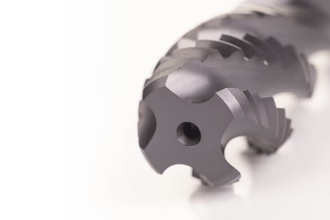
Carbide tooling is a crucial component of modern machining technology. Known for its durability and precision, carbide tools have revolutionized the way machinists approach cutting and shaping various materials. Carbide is a compound made up of carbon and other elements, such as tungsten, titanium, or cobalt, which give it exceptional hardness and strength.
The Advantages of Carbide Tooling
One of the key advantages of carbide tooling is its superior wear resistance. When compared to traditional high-speed steel tools, carbide tools can withstand much higher temperatures and maintain their cutting edge for longer periods of time. This means that machinists can rely on carbide tools to deliver consistent performance, even when working on tough materials like stainless steel, Inconel, or titanium.
Increased Productivity with Carbide Tooling
In addition to wear resistance, carbide tooling also offers increased cutting speeds and feed rates. This allows for faster machining processes, which can lead to improved productivity and reduced cycle times. The ability to push the limits of cutting speeds without sacrificing tool life is a significant advantage for machinists looking to maximize efficiency in their operations.
Versatility of Carbide Tooling
Another benefit of carbide tooling is its versatility. Carbide inserts come in a wide range of grades and geometries, making it possible to tailor the tool to the specific requirements of a particular machining application. Whether you are looking to achieve a smooth surface finish, optimize chip evacuation, or control heat generation, there is a carbide tool designed to meet your needs.
High-Precision Machining with Carbide Tooling
Furthermore, carbide tooling is well-suited for high-precision machining tasks. The inherent hardness of carbide allows for sharp cutting edges that can produce intricate geometries with tight tolerances. This level of precision is essential for industries that demand consistency and accuracy in their manufactured components, such as aerospace, medical devices, and automotive.
Limitations of Carbide Tooling
Despite its many advantages, there are some limitations to consider when using carbide tooling. Carbide tools are more brittle than high-speed steel, which means they are susceptible to chipping or breakage if subjected to excessive shock or vibration. Machinists must take care to avoid sudden impacts or improper tool handling to prevent premature tool failure.

Cost Considerations
In terms of cost, carbide tooling is typically more expensive upfront than high-speed steel tools. However, the longer tool life and increased productivity that carbide tools offer can often justify the higher initial investment. Machinists should weigh the benefits of using carbide tooling against the associated costs to determine if it is the right choice for their specific machining needs.
Conclusion
In conclusion, carbide tooling has become the backbone of modern machining technology due to its exceptional wear resistance, high cutting speeds, versatility, precision, and efficiency. While there are some limitations to consider, the advantages of carbide tooling far outweigh any potential drawbacks for machinists looking to achieve superior performance in their machining operations. By leveraging the benefits of carbide tooling, machinists can increase productivity, reduce downtime, and produce high-quality components with confidence.
 Mobile Accessories
Leave a comment